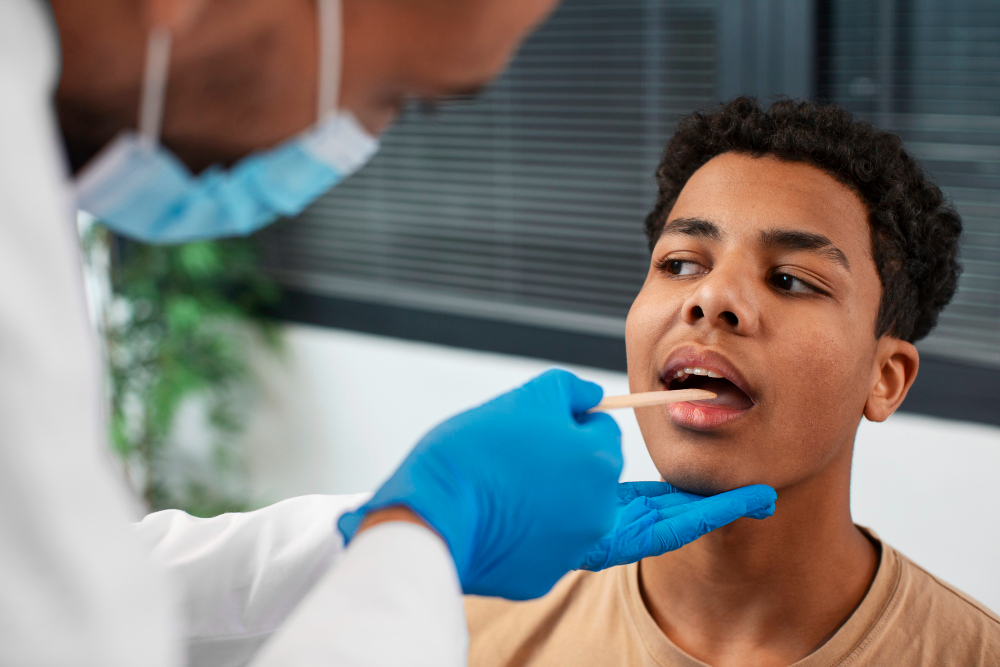
What is Oral Cancer?
Oral cancer is a type of cancer that starts in the mouth. It can affect the lips, tongue, cheeks, floor of the mouth, roof of the mouth, or throat. Early signs of oral cancer are often easy to miss. However, finding it early can make treatment more successful. According to the World Health Organization (WHO), oral cancer is a serious health problem worldwide. In many places, it is becoming more common. Because of this, knowing the basics about oral cancer is important for everyone.
Common Symptoms of Oral Cancer
Oral cancer can show up in many ways. Sometimes, symptoms are mild at first. But over time, they may get worse. It is important to watch for these signs:
Because these symptoms can also be caused by other problems, it is wise to see a doctor if they last more than two weeks.
Causes and Risk Factors
Many things can raise the risk of oral cancer. Some risk factors can be changed, while others cannot. Knowing these can help you lower your risk.
Even though some risks cannot be changed, making healthy choices can help lower your chances.
How Oral Cancer is Diagnosed
Doctors use several steps to find out if someone has oral cancer. Early diagnosis is key for better outcomes. Here is how the process usually works:
Because early signs of oral cancer can be missed, regular dental check-ups are important. Dentists can often spot problems before you notice them.
Treatment Options for Oral Cancer
Treatment for oral cancer depends on the stage and location of the cancer. Your doctor will suggest the best plan for you. Common oral cancer treatment options include:
Sometimes, doctors use more than one treatment. For example, surgery may be followed by radiation or chemotherapy. Early treatment often leads to better results.
Prevention Tips and Lifestyle Guidance
While not all cases can be prevented, you can lower your risk of oral cancer by making healthy choices. Here are some oral cancer prevention tips:
Because prevention is better than cure, these steps can make a big difference.
When to See a Doctor
If you notice any symptoms of oral cancer that last more than two weeks, see a healthcare provider right away. Early signs of oral cancer can be easy to miss, but quick action can save lives. In addition, regular dental visits can help catch problems early. If you have risk factors, talk to your doctor about screening and ways to lower your risk.
For personalized advice on oral cancer, consult Dr. Harsh A Suri, an ENT specialist. Early detection and treatment can make all the difference.