Nasal polyps are soft, painless growths inside the nose. Many people wonder, “Are nasal polyps a sign of cancer?” The good news is that most nasal polyps are not cancerous. In fact, they are quite common, especially in adults. However, it is important to know the facts about nasal polyps and cancer. This blog will answer your questions and provide helpful ENT advice for nasal polyps.
What Are Nasal Polyps?
Nasal polyps are small, non-cancerous lumps that grow in the lining of your nose or sinuses. They look like teardrops or grapes and are usually soft and pale. Often, you may not notice them at first. But as they grow, they can block your nose and make it hard to breathe.
Common symptoms of nasal polyps include:
Sometimes, nasal polyps can cause sinus infections. But most of the time, they are not dangerous.
Causes and Risk Factors
Nasal polyps form when the lining of your nose becomes swollen for a long time. This swelling is often due to ongoing inflammation. Several things can increase your risk of getting nasal polyps. For example, people with asthma, allergies, or frequent sinus infections are more likely to develop them.
Other risk factors include:
Although anyone can get nasal polyps, they are more common in adults than in children.
Are Nasal Polyps Linked to Cancer?
Many people worry about nasal polyps and cancer. However, research shows that nasal polyps are almost always benign, which means they are not cancer. According to the Centers for Disease Control and Prevention (CDC), nasal polyps do not turn into cancer. In rare cases, a growth in the nose may be cancerous, but these are different from typical nasal polyps.
It is important to know the difference between benign polyps and cancerous growths. Benign polyps are soft, smooth, and often found in both nostrils. Cancerous tumors, on the other hand, may look irregular, bleed easily, or grow quickly. If you notice unusual symptoms, such as nosebleeds or severe pain, you should see an ENT specialist right away.
Current scientific evidence and expert consensus agree that nasal polyps are not a sign of cancer. Still, regular check-ups are helpful for peace of mind.
Diagnosis and When to See a Doctor
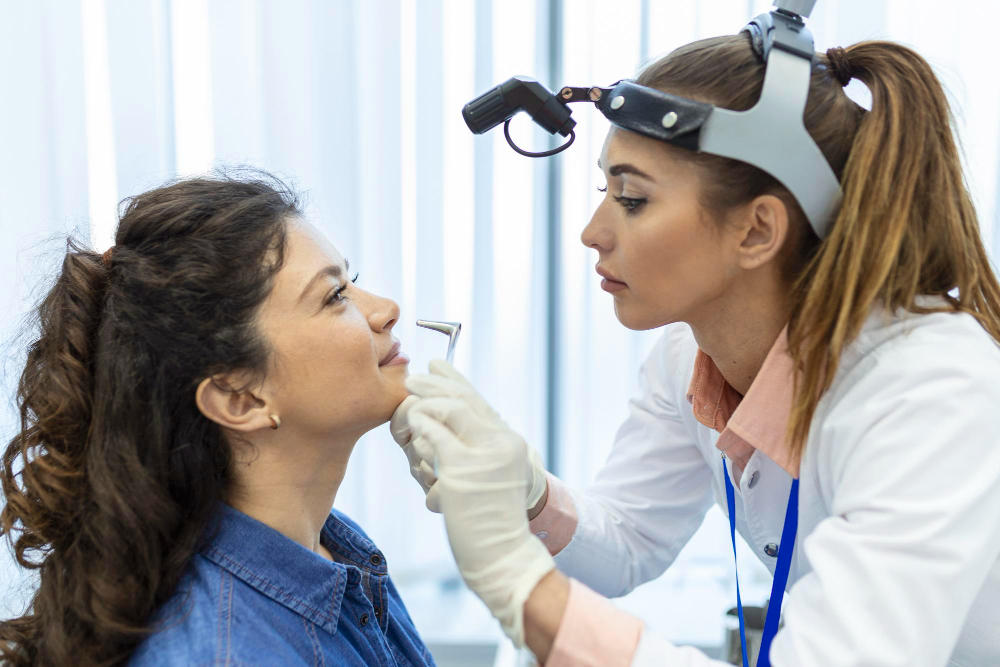
If you have symptoms of nasal polyps, a doctor can help. Usually, an ENT specialist will look inside your nose with a small light or camera. Sometimes, they may order a CT scan to see the size and location of the polyps.
You should see a doctor if you have:
Early diagnosis helps you get the right treatment and rules out other problems.
Treatment and Management
Treating nasal polyps often starts with medicines. For example, nasal steroid sprays can shrink the polyps and reduce swelling. Sometimes, doctors may prescribe oral steroids for short periods. If medicines do not help, surgery may be needed to remove the polyps.
Standard treatments include:
After treatment, regular check-ups help prevent polyps from coming back.
Prevention and Lifestyle Tips
While you cannot always prevent nasal polyps, some steps can lower your risk. For instance, managing allergies and asthma can help. Also, keeping your nose moist with saline sprays may reduce irritation.
Try these tips:
Healthy habits can make a big difference in managing symptoms.
Conclusion and Call-to-Action
In summary, nasal polyps are common and almost always harmless. They are not a sign of cancer. However, if you have ongoing symptoms or concerns, it is wise to seek ENT advice for nasal polyps with Dr. Harsh A Suri. A specialist can provide the right diagnosis and treatment. For peace of mind and better health, consult Dr. Harsh A Suri for personalised guidance.