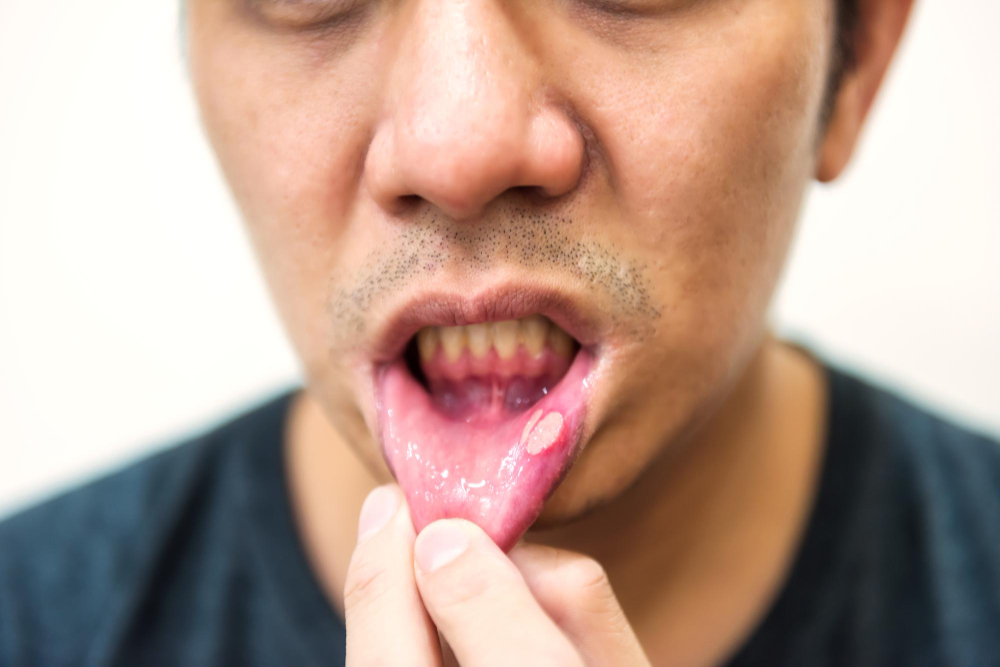
What is an Oral Ulcer?
An oral ulcer is a small, painful sore that forms inside the mouth. These sores can appear on the tongue, gums, inner cheeks, or lips. Often, oral ulcers are called mouth ulcers or canker sores. While most oral ulcers heal on their own, they can cause discomfort. People often search for oral ulcer causes, oral ulcer treatment, and how to prevent mouth ulcers. Understanding these sores can help you manage and avoid them.
Common Symptoms of Oral Ulcers
Oral ulcers have some clear signs. Usually, you may notice:
Sometimes, you might also feel mild fever or swollen lymph nodes. However, these symptoms are less common.
Causes and Risk Factors
There are many oral ulcer causes. Some are simple, while others may need medical care. For example, common causes include:
Additionally, some people get oral ulcers more often due to family history. Smoking or quitting smoking can also trigger mouth ulcers.
How Oral Ulcers are Diagnosed
Most oral ulcers are easy to spot. Usually, a doctor or dentist will look inside your mouth and ask about your symptoms. Sometimes, they may ask about your diet, stress, or recent injuries. If ulcers keep coming back or last longer than three weeks, your doctor may:
Early diagnosis helps rule out other health issues, such as infections or rare mouth cancers.
Treatment Options for Oral Ulcers
Most oral ulcers heal within one to two weeks without treatment. However, some steps can help ease pain and speed up healing. For instance, your doctor may suggest:
In rare cases, if ulcers are linked to another health problem, treating that condition can help reduce sores.
Home Remedies and Lifestyle Tips
Many people find relief with simple home remedies. For example, you can try:
However, if your symptoms get worse, it is best to seek medical advice.
Prevention: How to Avoid Oral Ulcers
While not all oral ulcers can be prevented, some steps can lower your risk. For instance, you can:
By following these tips, you may reduce the number and severity of mouth ulcers.
When to See a Doctor
Most oral ulcers are harmless and heal quickly. However, you should see a doctor or dentist if:
Early medical care can help rule out serious problems and provide the right treatment.
Conclusion
Oral ulcers are common and usually not serious. Still, they can cause pain and discomfort. By knowing the symptoms, causes, and treatment options, you can manage them better. If you have concerns or your ulcers do not heal, consult Dr. Harsh A Suri for personalized advice on oral ulcers.