Introduction
Salivary gland tumours are growths that form in the glands that make saliva. These glands are found in your mouth and neck. Most people have three main pairs of salivary glands: the parotid, submandibular, and sublingual glands. Some tumours are benign, which means they are not cancer. Others are malignant, which means they are cancerous. Because salivary gland tumours can affect eating, speaking, and comfort, it is important to know the signs. Early detection helps improve outcomes. According to the World Health Organization, these tumours are rare but need careful attention.
Symptoms
Often, salivary gland tumours do not cause pain at first. However, you may notice changes as the tumour grows. For example, you might feel a lump or swelling in your cheek, jaw, or mouth. Sometimes, symptoms can be more serious. It is important to watch for:
If you notice any of these salivary gland cancer symptoms, you should see a doctor. Early action can make a big difference.
Causes and Risk Factors
Doctors do not always know why salivary gland tumours develop. Still, some factors can raise your risk. For instance, older adults are more likely to get these tumours. Both men and women can be affected. In addition, certain things may increase your risk:
Although these risk factors exist, many people with salivary gland tumours have no clear cause. Therefore, regular check-ups are important, especially if you have risk factors.
Diagnosis
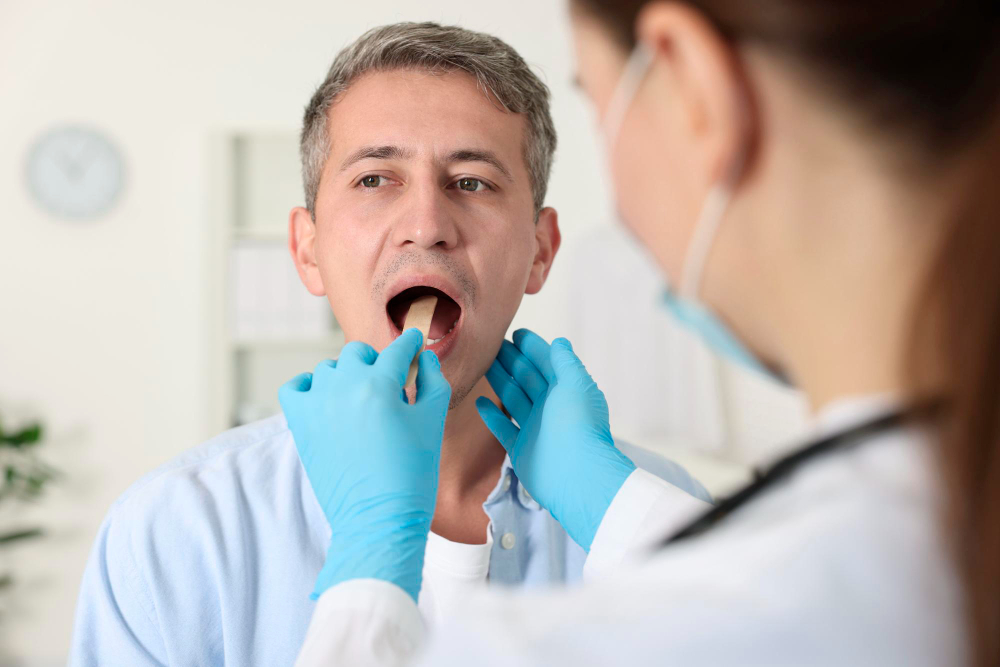
When you visit an ENT specialist for salivary gland tumours, they will start with a physical exam. They may feel your neck, jaw, and mouth for lumps. Next, doctors often use imaging tests, such as ultrasound, CT scans, or MRI, to see the tumour clearly. Sometimes, they will take a small sample of tissue, called a biopsy, to check if the tumour is benign or malignant. Because early diagnosis helps guide treatment, do not delay seeing a doctor if you notice symptoms.
Treatment Options
Treatment depends on the type, size, and location of the tumour. For benign and malignant salivary gland tumours, options may include:
After treatment, regular follow-up visits help check for any return of the tumour. Because each case is different, your doctor will explain the best plan for you.
Prevention and Lifestyle Guidance
Although you cannot always prevent salivary gland tumours, you can lower your risk. For example, you can:
Additionally, regular dental and medical check-ups can help spot problems early. If you have a family history of these tumours, tell your doctor.
When to See a Doctor
If you notice a lump, swelling, or pain in your mouth or neck, see a doctor soon. Also, if you have trouble swallowing, numbness, or weakness in your face, do not wait. Early care from an ENT specialist for salivary gland tumours can improve your outcome. Even if your symptoms seem mild, it is better to be safe.
Conclusion
Salivary gland tumours can be benign or malignant. While they are rare, knowing the symptoms and risk factors is important. Early diagnosis and treatment offer the best chance for a good outcome. Consult Dr. Harsh A Suri for personalized guidance.